
18 September 2026/4 min read
Planning a poultry batch so the numbers still work at week eight
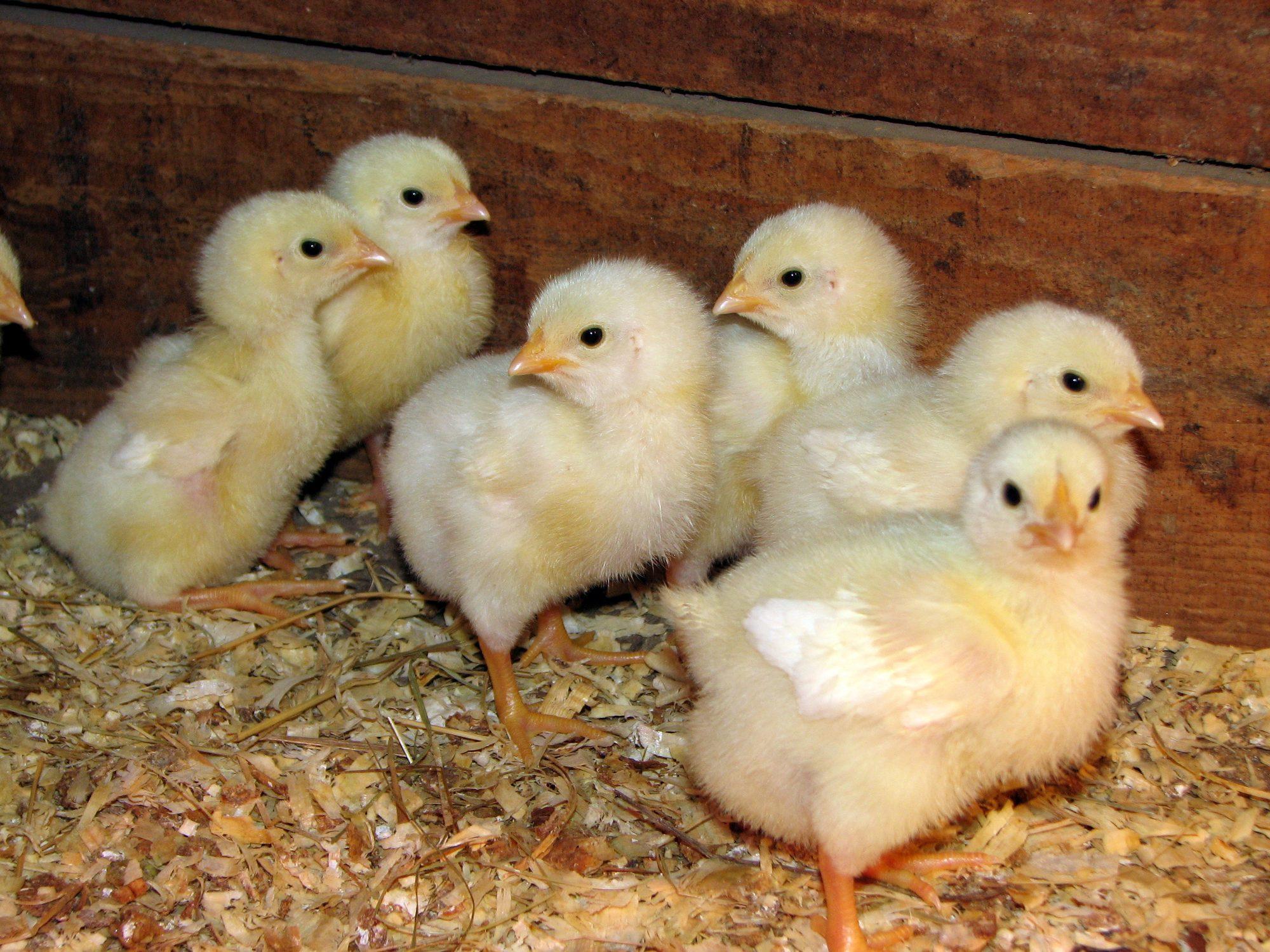
A broiler batch is a short business with a fixed deadline. The chicks arrive on a known day, they eat on a known curve, and they are either ready for the buyer on time or they are eating into the margin. Nearly everything that goes wrong in that cycle traces back to the first ten days.
Brooding is where it starts. Chicks cannot regulate their own temperature in the first week, so the house has to do it for them. Get the heat wrong and they crowd or scatter, feed intake drops, and the birds never recover the growth they lost. That lost growth does not come back later with extra feed. It is simply gone.
The second thing is stocking honestly. A house that comfortably holds a given number of birds will hold half again as many for a while, and the temptation to fill it is real. What follows is slower growth across the whole flock, not just the extra birds, and a higher rate of loss. The arithmetic rarely favours the crowded house.
The third is ordering feed against the batch, not against cash flow. Switching feed type late, or stretching a bag an extra two days, shows up directly in finishing weight. If the buyer is expecting a certain size on a certain date, the feed plan is the thing that delivers it.
None of this is complicated. It is a matter of deciding the plan before the chicks arrive and then holding to it, because once the batch is running there is very little time to correct anything.