
7 August 2026/5 min read
Oil palm is a long crop, and the first three years decide the rest
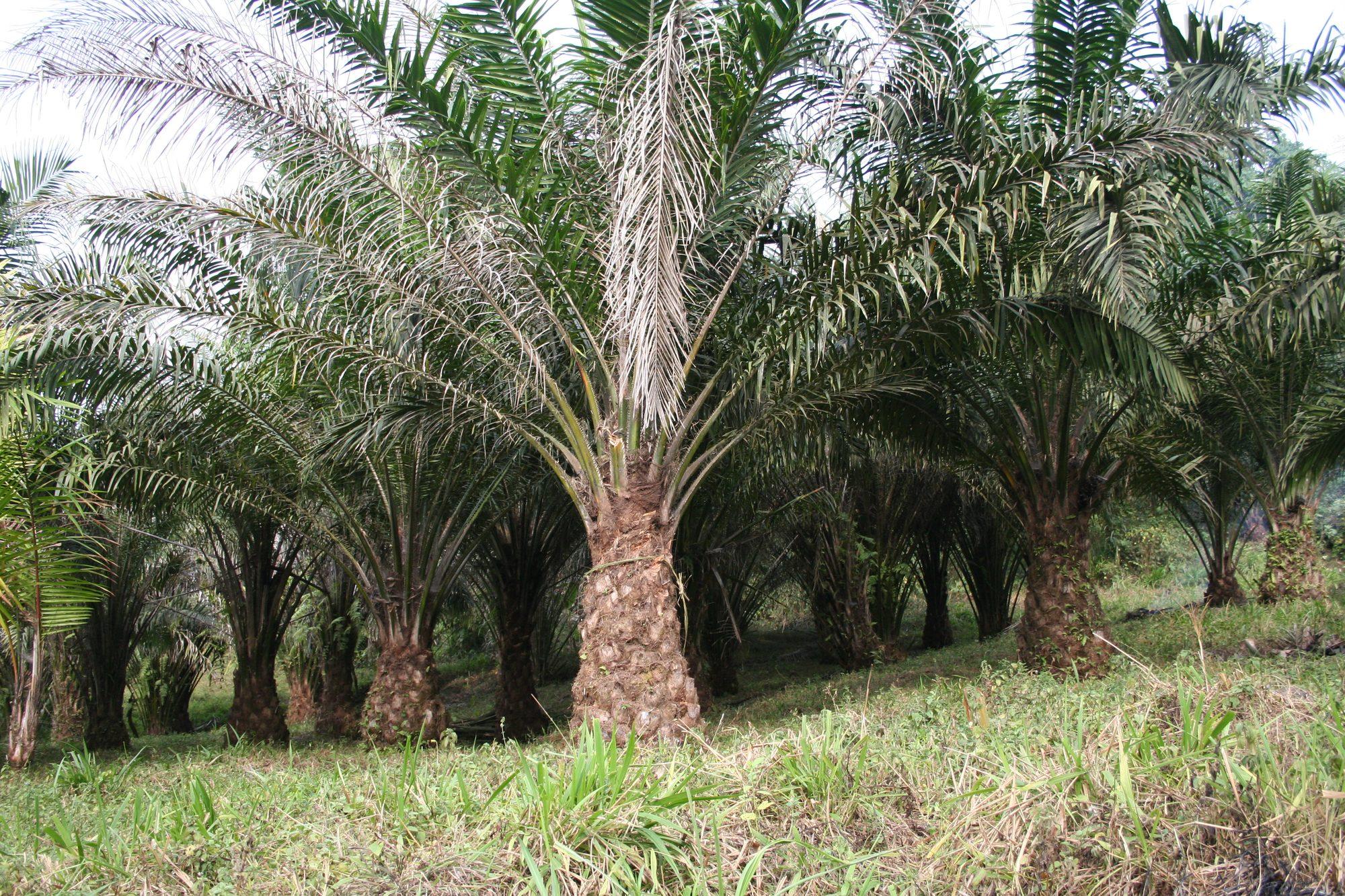
Oil palm rewards patience and punishes shortcuts, and the punishment arrives late. A stand that was planted too close, on land that was not properly prepared, with seedlings of unknown origin, will come into bearing and look perfectly healthy. The shortfall only becomes obvious when you compare the tonnage against what a well established stand on comparable land is giving.
Planting material is the decision with the longest consequences. Seedlings raised from unverified seed can look identical in the nursery to good material and differ substantially in yield once mature. By the time the difference is measurable, replanting means starting the clock again.
Spacing is the second. Palms planted too tightly compete for light as the canopy closes, and the stand that looked efficient at year two becomes a stand of tall, shaded, under producing trees at year eight. The spacing that feels wasteful on planting day is the spacing that pays.
Then there is maintenance through the immature years, when the plantation costs money and returns none. Circle weeding, cover crop management and fertiliser through those first three years are not optional expenditure that can be deferred to a better season. They are the investment that sets the yield curve for the decades that follow.
We take the same view on plantations we establish for clients as on our own. A stand we put in is a stand our name sits on for thirty years.